Context Engineering Is a Team Sport
A solo CLAUDE.md setup optimizes one node. See what developers, PMs, QA, architects and DevOps each contribute and consume, plus how to roll it out and measure it.
Part 3 of 6 in the "Context Engineering in 2026" series
A solo context setup tunes one person’s AI and leaves the rest of the team out of the loop. Every role both produces and consumes context, so the PM, QA, architect and DevOps each need a place to put theirs. Keep that context in files rather than chat history, roll it out through a few advocates per role, and track a handful of metrics.
Why one developer's setup is not enough
Ask your PM (project manager) to describe the current sprint goals in 60 seconds. Then ask your lead developer. If the answers differ, you have found your first context engineering problem, and no amount of CLAUDE.md tuning in an IDE (integrated development environment, the editor where developers write code) will fix it.
Parts 1 and 2 covered the "what" and the "how" for individual developers. A solo setup only optimizes one node in a multi-node system. Your AI knows your coding standards. It has no idea what the PM agreed to in yesterday's stakeholder call, what edge cases QA (quality assurance) found last sprint, or why the architect rejected a database schema two months ago.
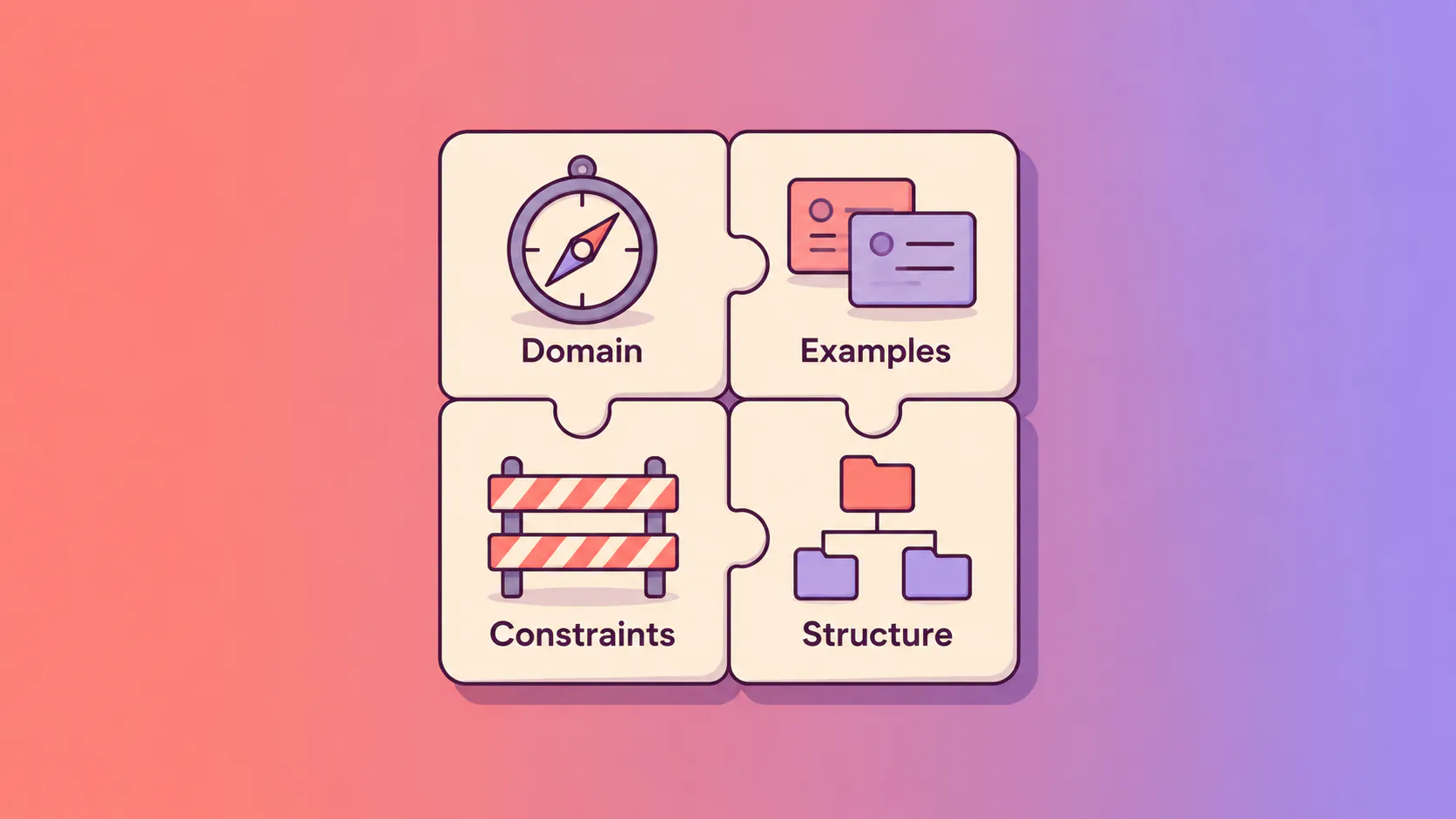
Four parts of team context
- Domain and background — The tech stack and architecture for a developer. For the team, the why: business logic, user personas, compliance requirements.
- Clear examples — One-shot and few-shot demonstrations (a single example, or a handful) of the desired output, such as an API (application programming interface) handler, a sprint summary or a test case.
- Defined constraints — What not to do: style guides, security rules, compliance boundaries and client-specific restrictions.
- Structured information — Files and templates any role can query and add to.
Who contributes and consumes context
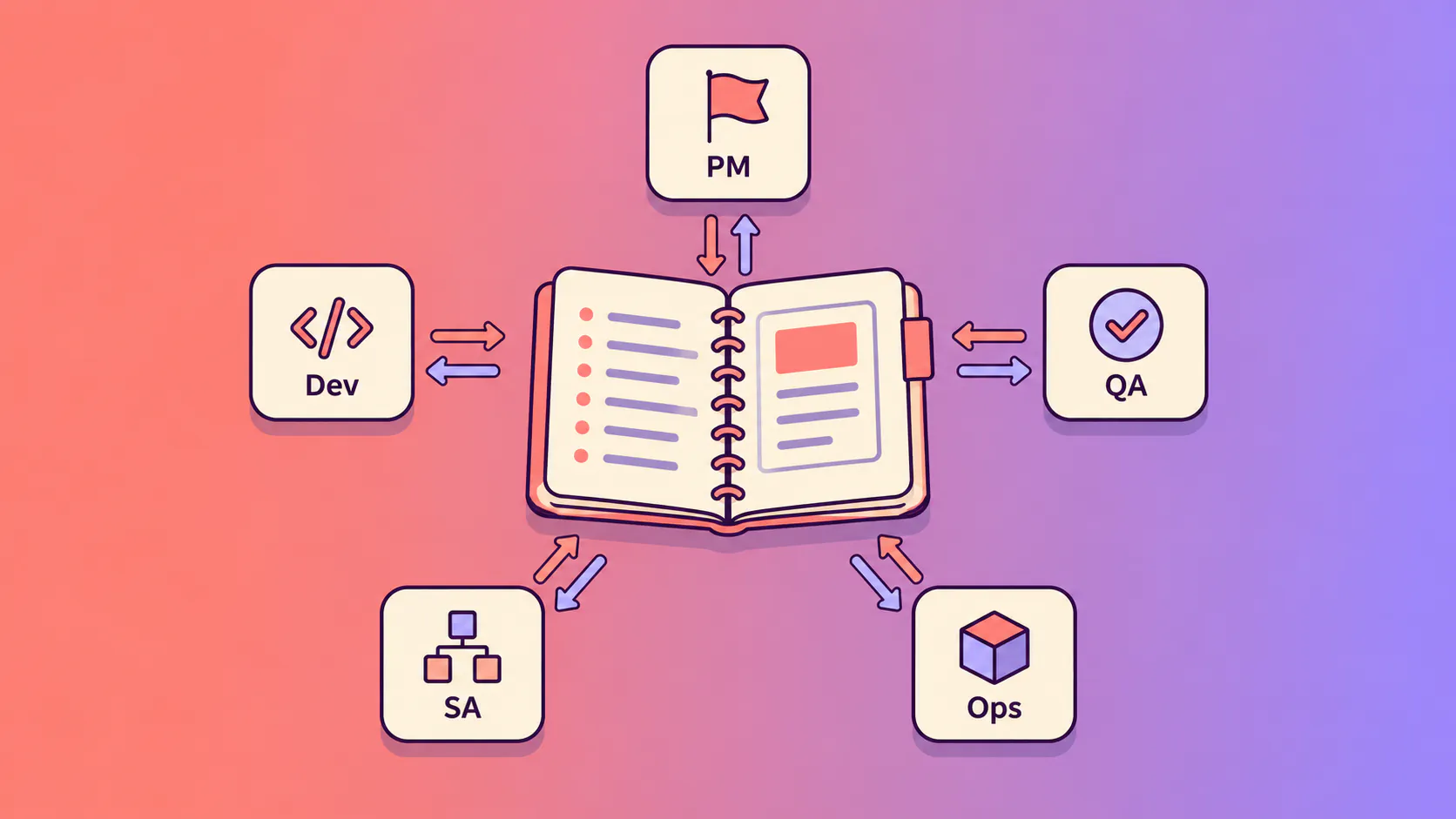
In a real project, the developer is one of five roles that both produce and consume context.
Developer
- Contributes — Seed files (
CLAUDE.md,AGENTS.md), code patterns, implementation decisions, technical constraints. - Consumes — Specs from the PM, test scenarios from QA, decisions from the architect.
The AI reads the seed file instead of being told the architecture every session, and reads the spec instead of guessing. Effort moves from writing code to reviewing it, and teams report 30-40% time savings on implementation phases, with quality metrics (static warnings, test coverage, mutation scores) maintained or improved.
Project manager
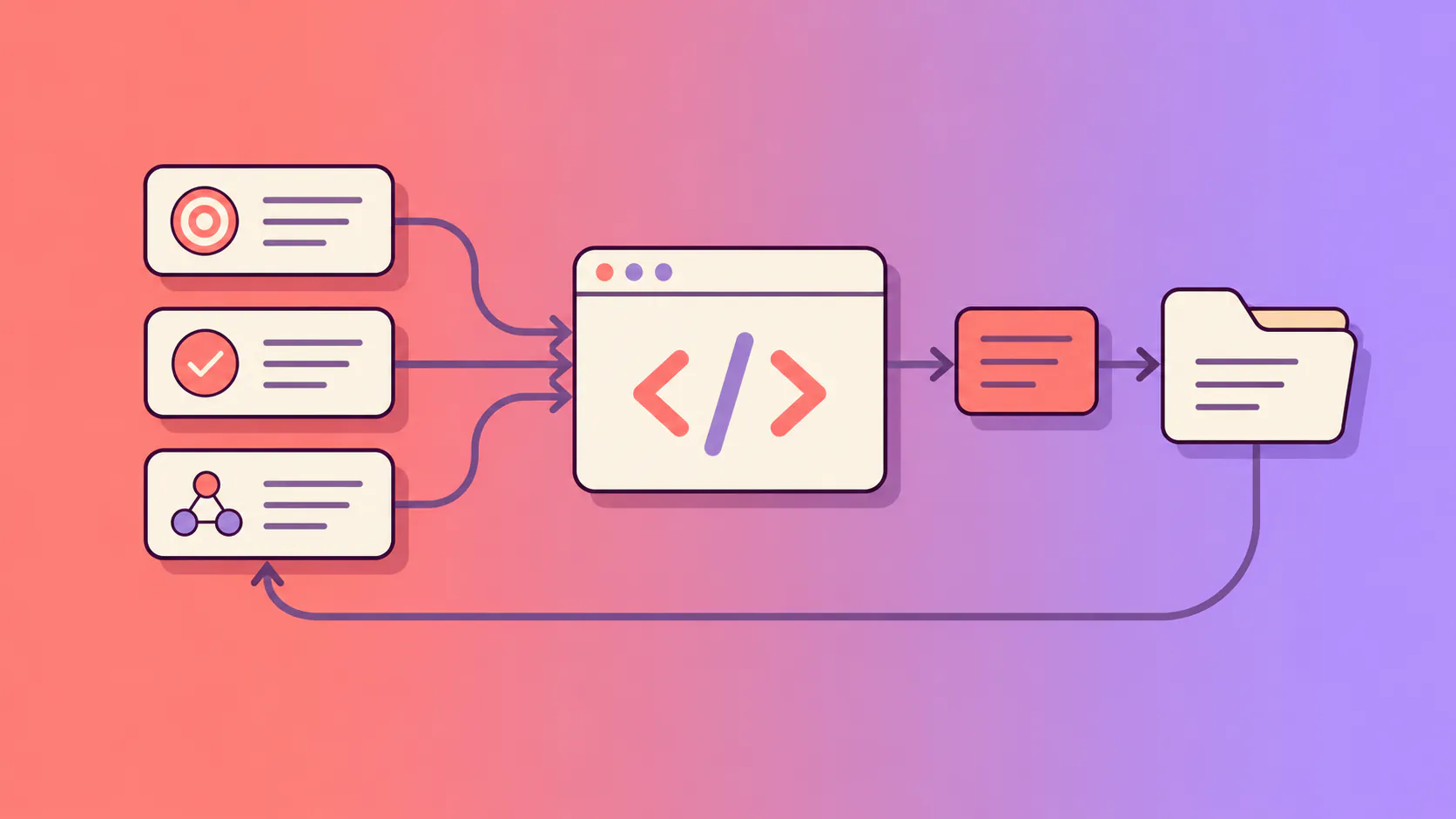
- Contributes — Sprint goals, stakeholder decisions, acceptance criteria, project history ("we tried X in Sprint 4 and it failed because Y").
- Consumes — Sprint summaries, status reports, bug tables, cost reports.
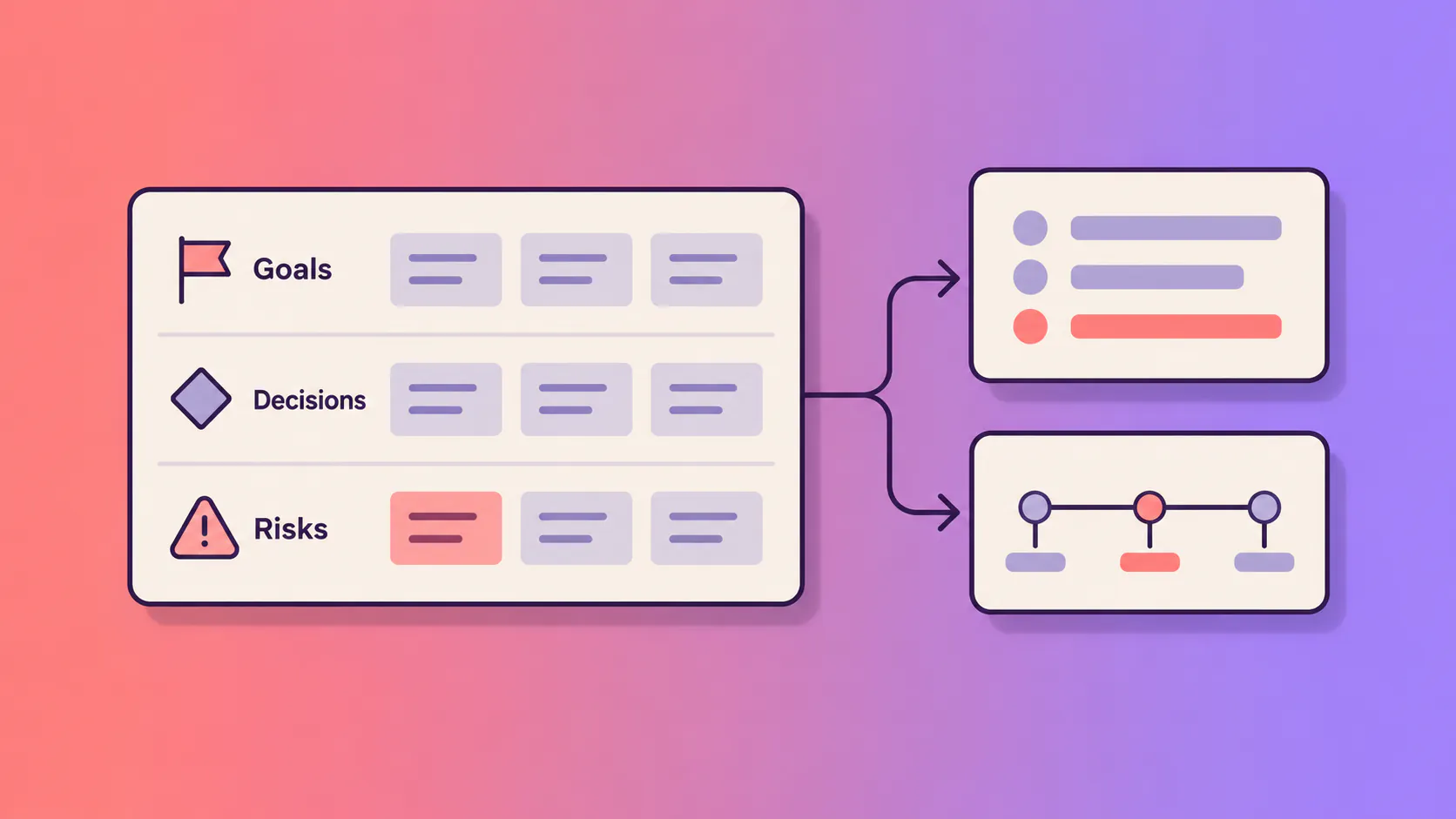
A PM needs AI for the repetitive knowledge work that fills their week: status reports, sprint metrics, meeting notes, blocked tickets. Given a project-context.md (sprint goals, key decisions, known risks, client preferences) plus raw Jira data, the AI drafts a weekly status report in the client's template in 5 minutes instead of 2-3 hours.
QA and Testers
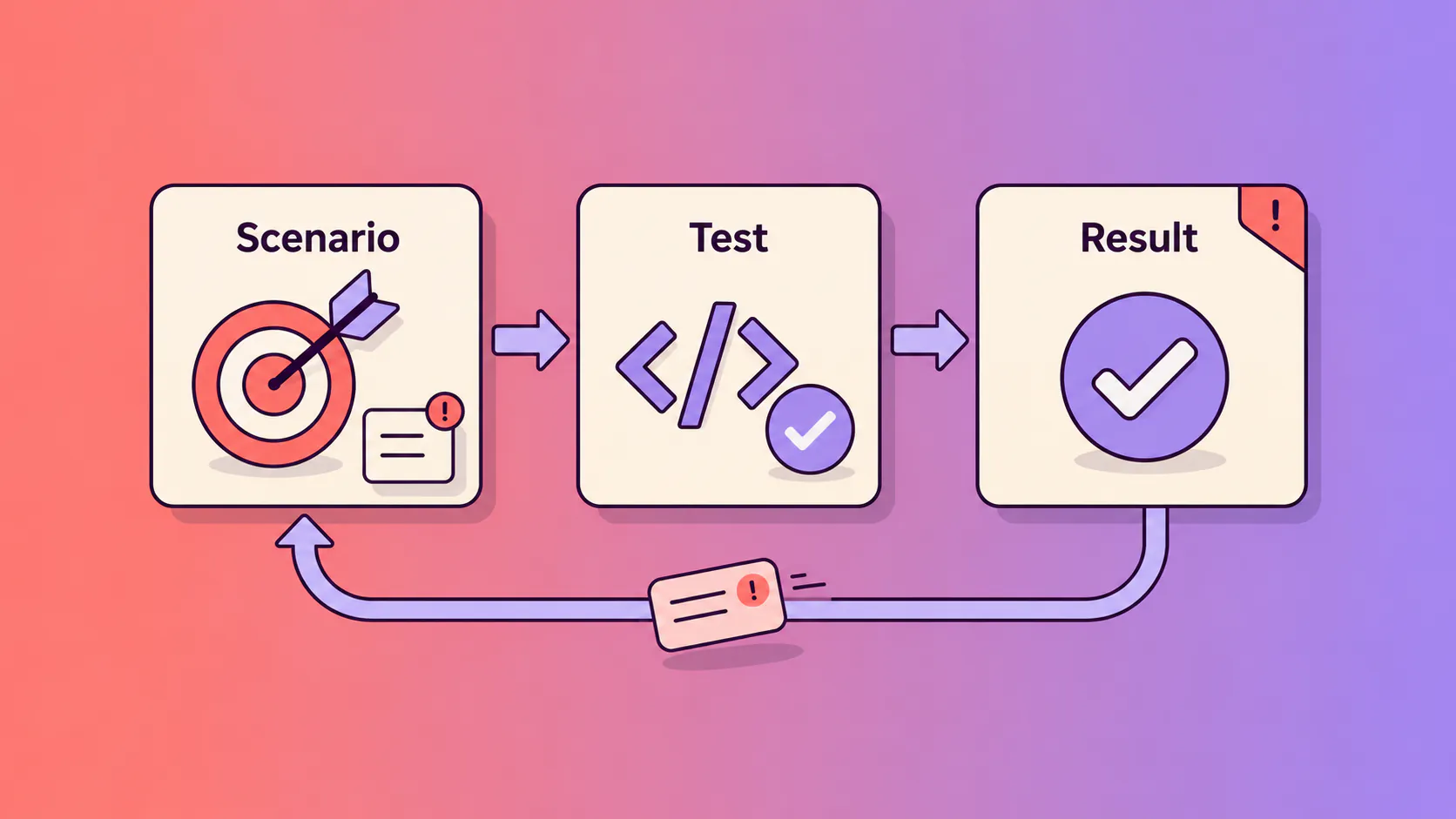
- Contributes — Test scenarios, edge cases found in testing, regression suites, coverage requirements.
- Consumes — Specs to generate test cases from, coverage reports, defect analysis.
QA writes scenarios, the AI generates unit tests mapped 1:1 to them, and the reviewer checks that every scenario has a test. Testers spend less time on obvious test cases and more on edge case discovery and test strategy. Humans handle the user who submits an emoji in the phone number field during a timezone change.
Solution architect or tech lead
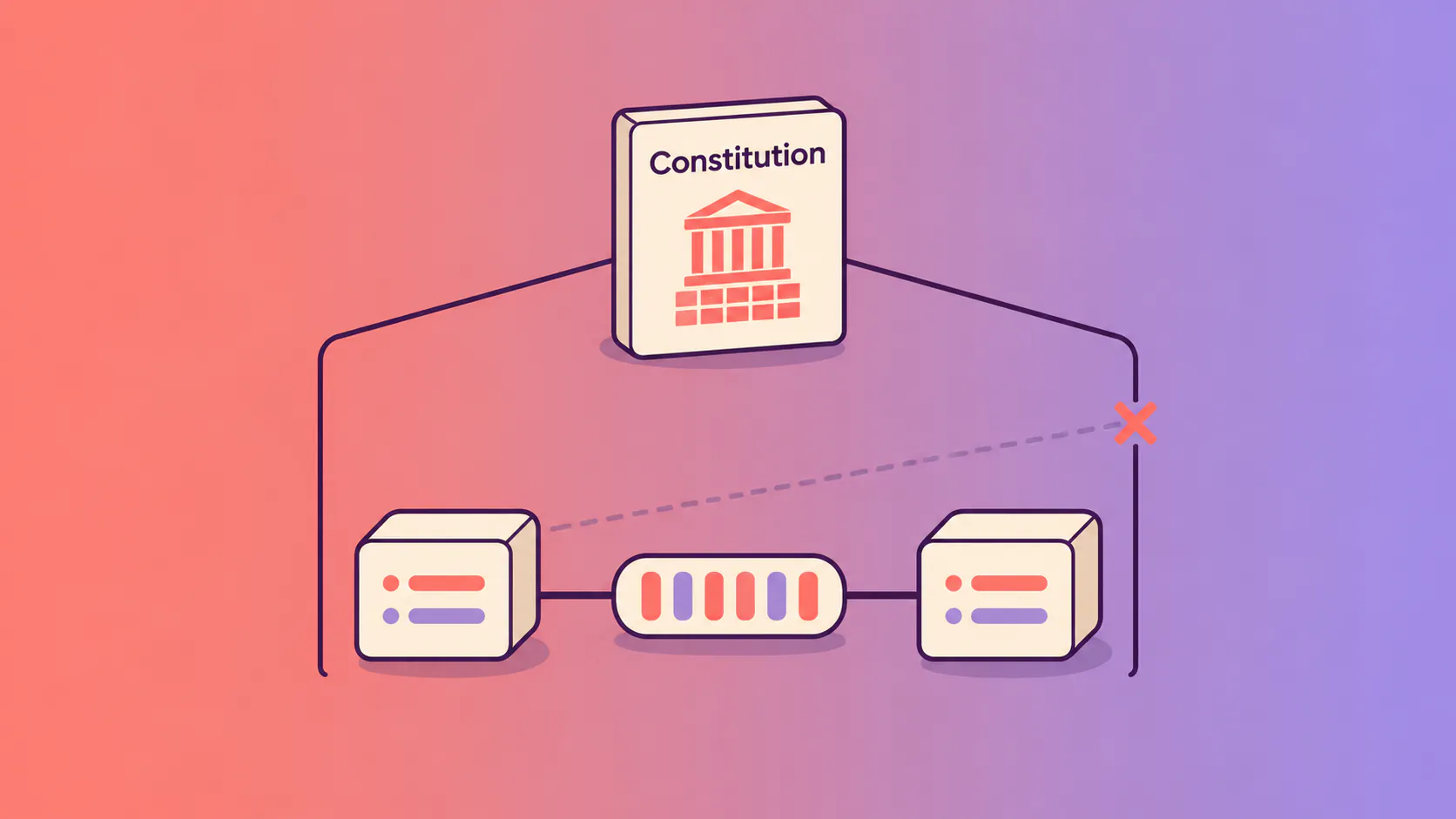
- Contributes — Architecture decisions, technology constraints, integration patterns, and the project "constitution": the non-negotiable rules every piece of code must respect.
- Consumes — Codebase analysis, dependency reports, architecture compliance checks.
The constitution idea comes from GitHub's Spec-Kit framework. For outsourcing teams, where an architect may sit on 2-3 projects, each project's constitution holds that client's rules, so the AI adapts when the architect moves from a fintech project to a media one. A line such as "All inter-service communication goes through the message bus" reaches the AI without the developer ever reading it.
DevOps
- Contributes — CI/CD (continuous integration and continuous delivery) pipeline context, deployment configurations, release process documentation.
- Consumes — Changelogs, release notes, deployment validations.
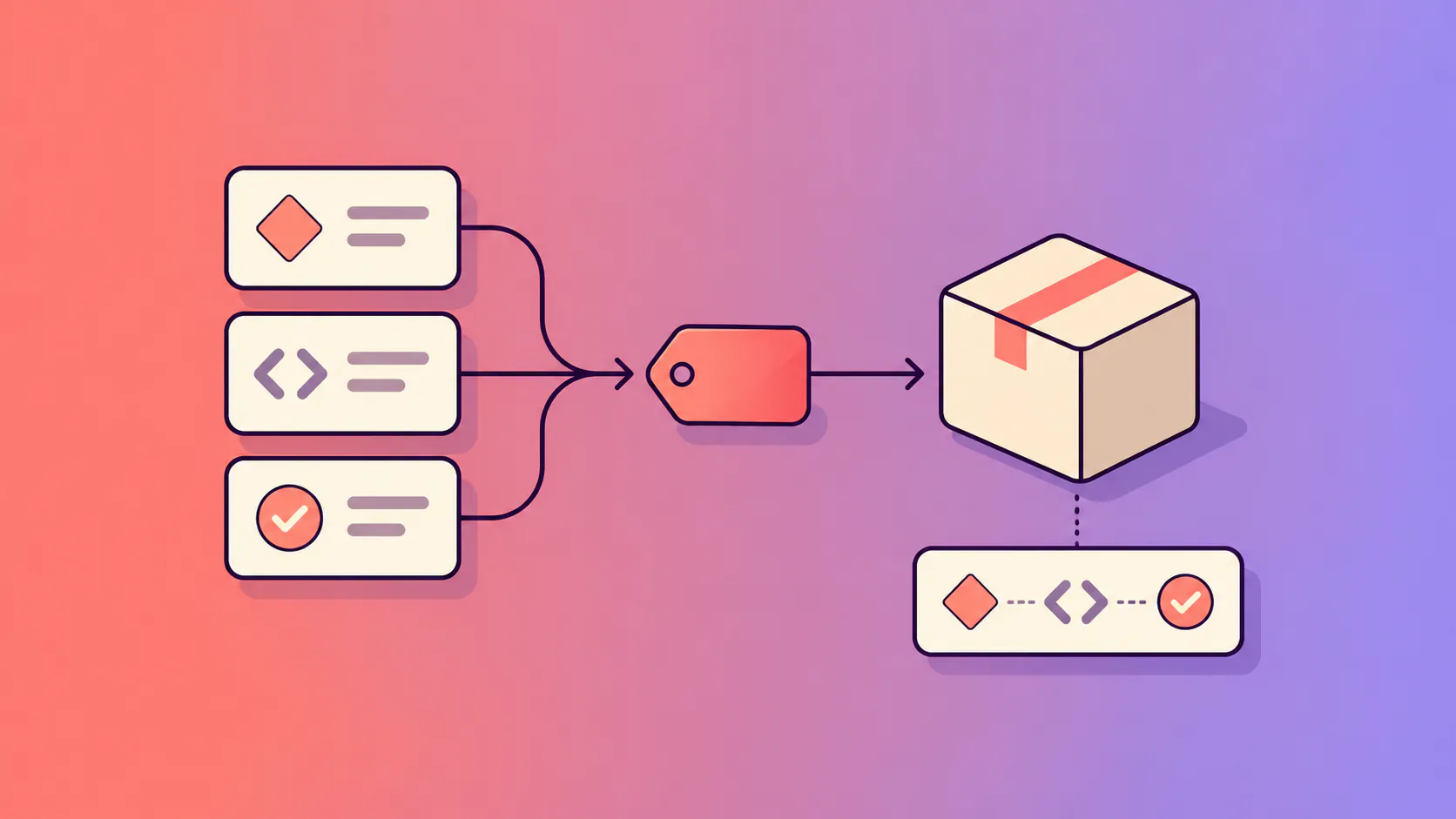
When the team keeps structured records of every feature and fix, including the plan and review results, DevOps can generate release notes from them.
One feature, five roles
Take one ticket: "Let customers edit a saved shipping address at checkout." The numbers are illustrative.
- PM — Adds six acceptance criteria and one line to
project-context.md: "Address edits must not change orders already paid." - Architect — The 40-line constitution already routes address data through the customer service.
- QA — Writes eight scenarios, including two the AI would not guess: a PO box address, and an edit that lands during payment processing.
- Developer — Starts a fresh session. The 60-line seed file points to the rest, and the AI plans around the constitution and all eight scenarios.
- DevOps — The plan and review record from the merged pull request become the release note draft.
The AI reads about 145 lines, roughly 1,450 tokens (the units AI models bill by), against 20,000-50,000 for a brainstorming chat. The saving comes from five people each spending 10-20 minutes writing down what they already knew, once.
Where each tool keeps shared context
The files only help if the tool loads them for everyone. All three common tools have a repository layer and an organization layer.
- Claude Code — A project
./CLAUDE.mdor./.claude/CLAUDE.mdis shared through version control,.claude/rules/holds one topic per file, and admins can deploy a managed policy file organization-wide (memory docs). Keep each file under 200 lines. - GitHub Copilot —
.github/copilot-instructions.mdapplies repository-wide and.github/instructions/NAME.instructions.mdapplies to matching paths, and organization instructions rank lowest (repository instructions). Organization instructions cover only Copilot Chat, code review and the cloud agent on GitHub.com (organization instructions). - Cursor — Project rules live in
.cursor/rules, and Team and Enterprise plans add team rules. Precedence runs team, then project, then user (Cursor rules).
By default, Claude Code reads AGENTS.md only when no CLAUDE.md exists in or above the working directory, so keeping both with different content hides one. Copilot reads both, so one shared file can serve both tools.
How shared rules fail in prod
Two roles edit overlapping rules. The developer's CLAUDE.md says "write tests with Jest". A QA engineer adds .claude/rules/qa.md saying "generate every test in Playwright". The AI sees contradicting instructions and may pick one arbitrarily, so half the generated tests use each framework and the team blames the model. Nothing is broken except ownership. Give each file one owner and enforce it with CODEOWNERS plus required code owner review, so a change to the constitution needs the architect's approval.
When not to add role files
A solo developer needs one CLAUDE.md, not five role files. A team of two or three needs a shared seed file and a decisions.md. Add role files when a real gap appears, such as QA repeatedly finding a bug class the AI keeps producing.
Context ownership checklist
Run these once per quarter.
- Who owns each context file, and is that person named in CODEOWNERS?
- Does any rule appear in two files with different wording?
- Has the PM updated the sprint context this sprint?
- Did QA's last escaped defect become a scenario in the test context?
- Is the constitution older than the last major architecture decision?
Context as files, not chat history
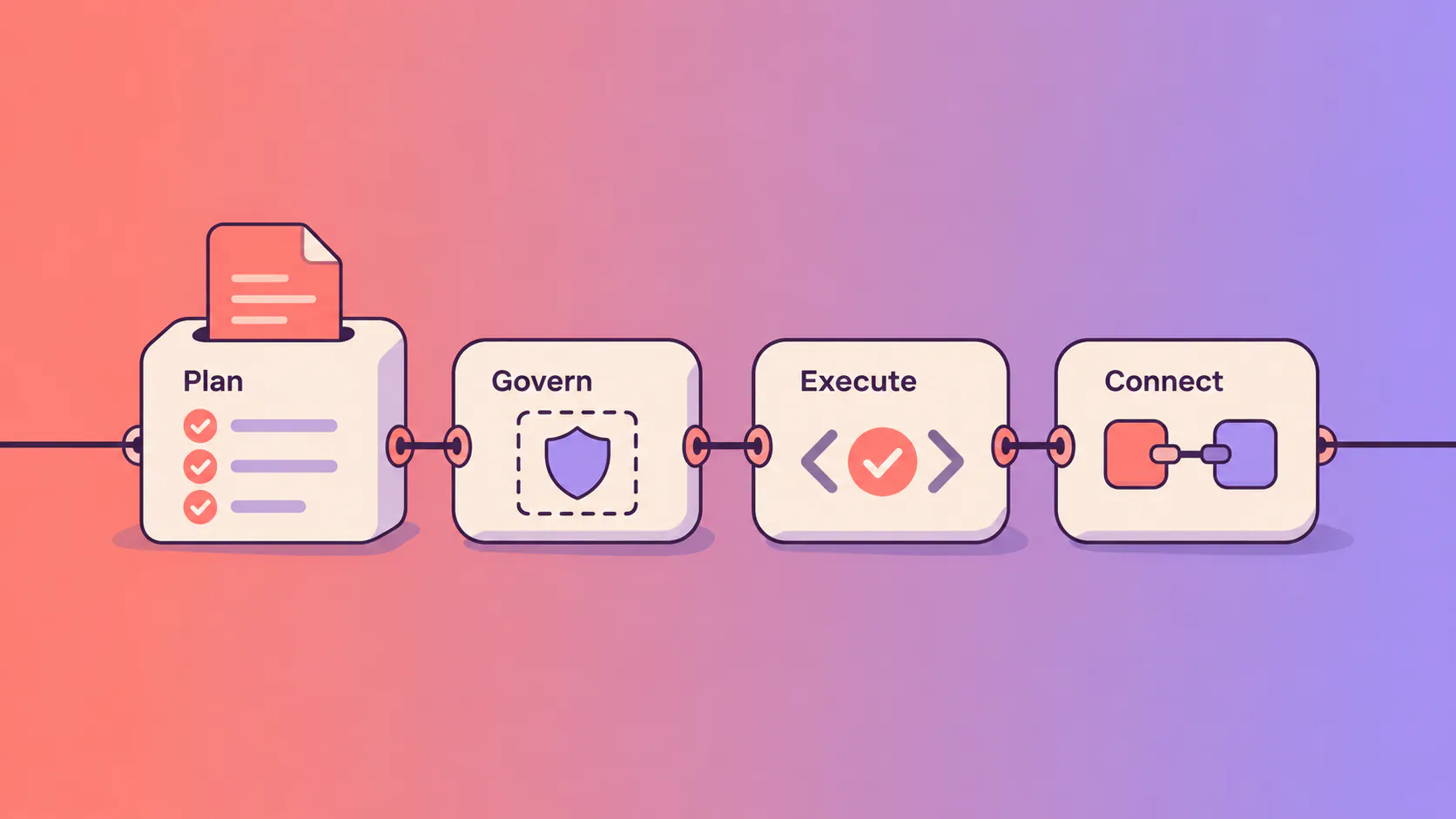
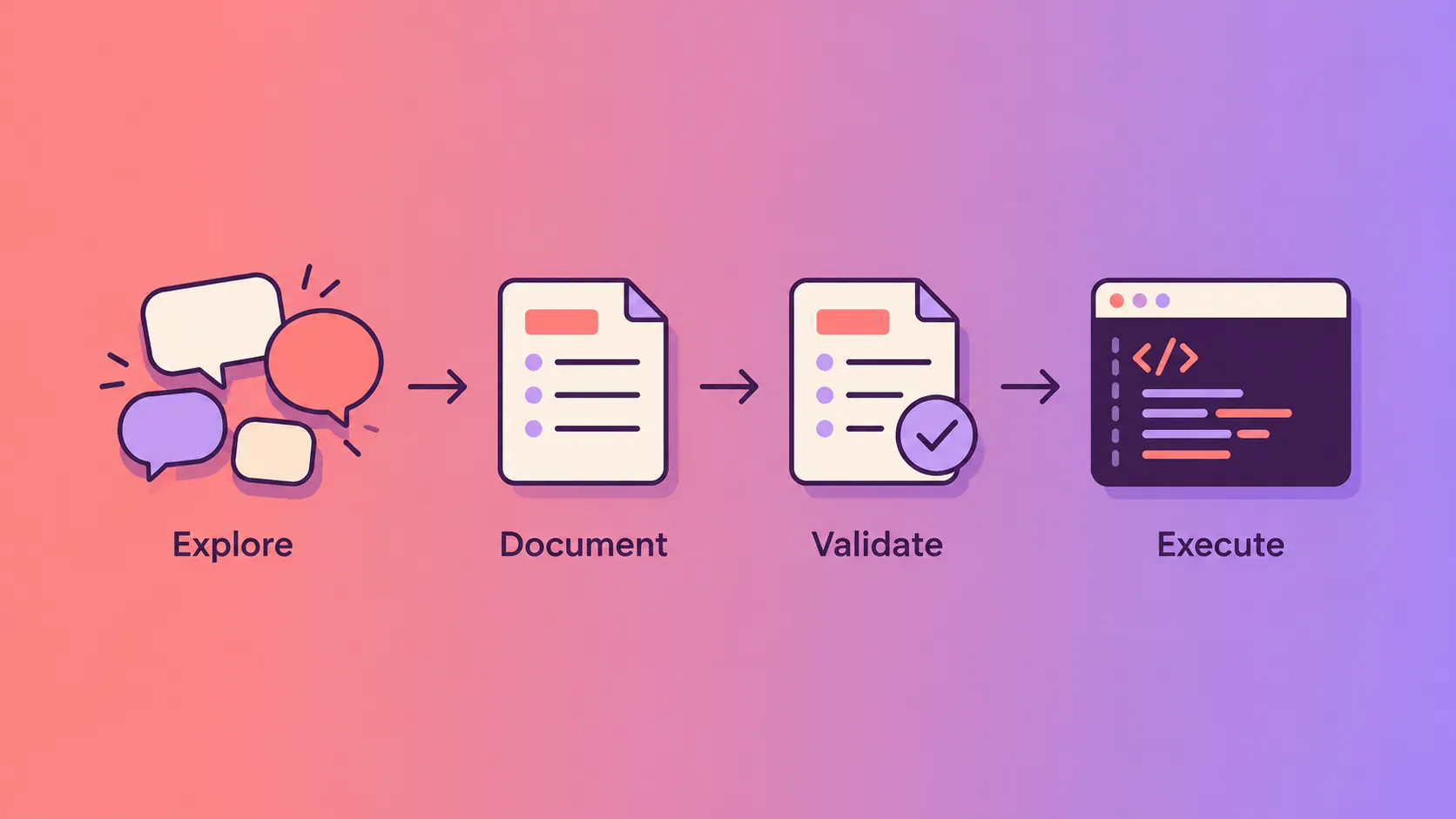
One four-step pattern ties the roles together.
- Explore — Chat freely, brainstorm, discuss approaches.
- Document — Write the output into
brainstorm.md,plan.mdordecisions.md. That file becomes the AI's memory. - Validate — A human reviews it: the PM checks requirements, the architect checks architecture, QA checks scenarios.
- Execute — Start a fresh session, feed it the document and let it work.
A brainstorming conversation might run 20,000-50,000 tokens, while the resulting plan is maybe 3,000-5,000. Starting fresh from the document spends 60-70% fewer tokens and gives more consistent results, because the context is clean and validated. Once the file exists, the conversation is disposable.
Handle the adoption curve
Change management is 60% of this effort. Some developers will install Superpowers (a workflow framework for AI coding agents) on day one. PMs will doubt AI summaries, QA will question AI-generated tests, and architects will worry about losing control.
Adoption tends to climb four rungs: observe others, try simple low-risk tasks, create reusable templates, then advocate to others. Find one or two advocates per role willing to try first. Their success stories beat any mandate.
Frame the effort as effectiveness over excellence: good enough output, faster, improving every sprint. Never frame it as headcount reduction. "AI will replace you" is the fastest way to kill adoption. Say "AI amplifies your expertise."
Metrics worth tracking
- For individuals — Time on routine tasks (should fall), time on strategic work (should rise), reusable templates created.
- For the team — Shared prompt library size, cross-role context contribution (is the PM actually updating the project context?), and the acceptance rate of AI output, meaning the share merged without a major rewrite. Aim for 70% or more.
- For the project — Delivery time on standard features, review cycle duration, defect density after launch.
Watch the 70/30 target most closely. Team members spend roughly 70% of their time on thinking and strategic work and 30% on execution, a flip from the traditional 30/70 split. When that flip shows up, context engineering is working.
A shared context system only pays off when every role feeds it, so the PM's sprint goals and QA's edge cases belong in files the AI reads, not in heads. Next comes the practical question of which framework to use.
Next up: Part 4 — Pick the right AI workflow framework — a practical, opinionated comparison of OpenSpec, Spec-Kit, BMAD Method, and Superpowers, plus the AI-powered IDEs that run them.
This is Part 3 of the "Context Engineering in 2026" series. Part 1 | Part 2