Pick the right AI workflow framework
A practical comparison of OpenSpec, Spec-Kit, BMAD, Superpowers and AgentKit, plus the IDEs and MCP that connect them, and which one fits how your team works.
Four spec-driven frameworks (OpenSpec, Spec-Kit, BMAD, Superpowers) and one team orchestration kit (AgentKit) compete for your AI workflow, and each fits a different team. Pick one planning framework and one IDE, then layer extras only when a real gap shows up. If you want one install with immediate impact, start with Superpowers.
Part 4 of 6 in the "Context Engineering in 2026" series
By now you're sold on context engineering. Then you search for "context engineering framework" and find about 47 options, each claiming to transform your workflow.
Each tool below gets the same verdict on what it does well, where it falls short, and who should use it.
Spec-driven development frameworks
These frameworks structure the path from "what should we build?" to "here's the plan the AI can execute." They solve the same problem (AI writes better code from specs than from vibes) but disagree on how much process to wrap around it.
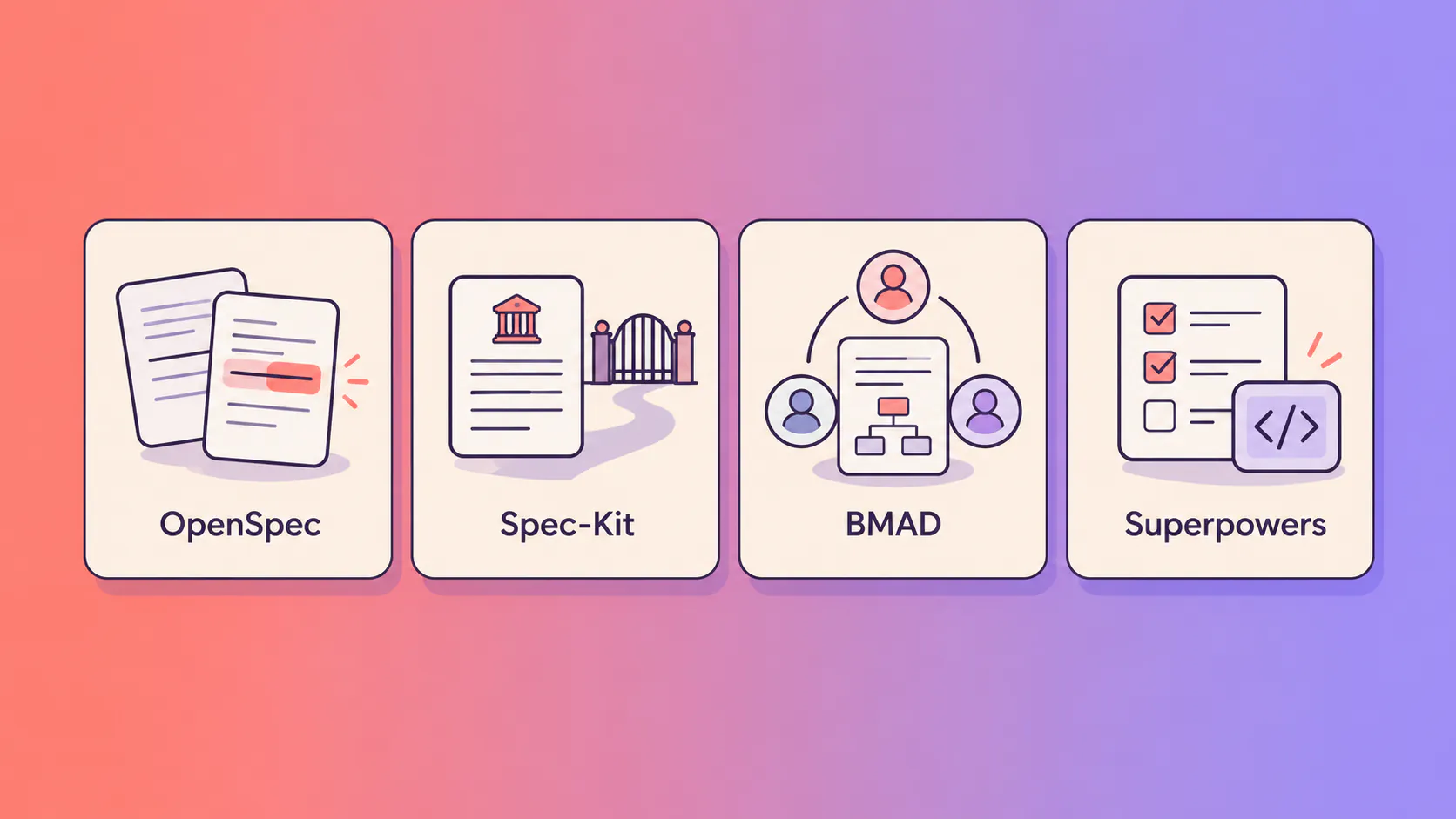
OpenSpec, the lightweight option
By Fission AI | 71.1K stars | MIT | Node.js | v1.14.0
OpenSpec states its philosophy in its README: fluid not rigid, iterative not waterfall, easy not complex. It needs Node.js 20.19 or newer. Install with npm install -g @fission-ai/openspec@latest (or brew install openspec), then run openspec init to create an openspec/ folder of Markdown specs organized by capability.
The default workflow is three commands. /opsx:propose add-dark-mode creates a change folder with a proposal, specs, a design, and a task list. /opsx:apply implements the tasks, and /opsx:archive stores the finished change.
/opsx:explore is an optional thinking step before proposing. The older step-by-step commands (/opsx:new, /opsx:continue, /opsx:ff) live in an expanded profile: run openspec config profile, then openspec update. Your tool may spell them differently (openspec init prints the right form).
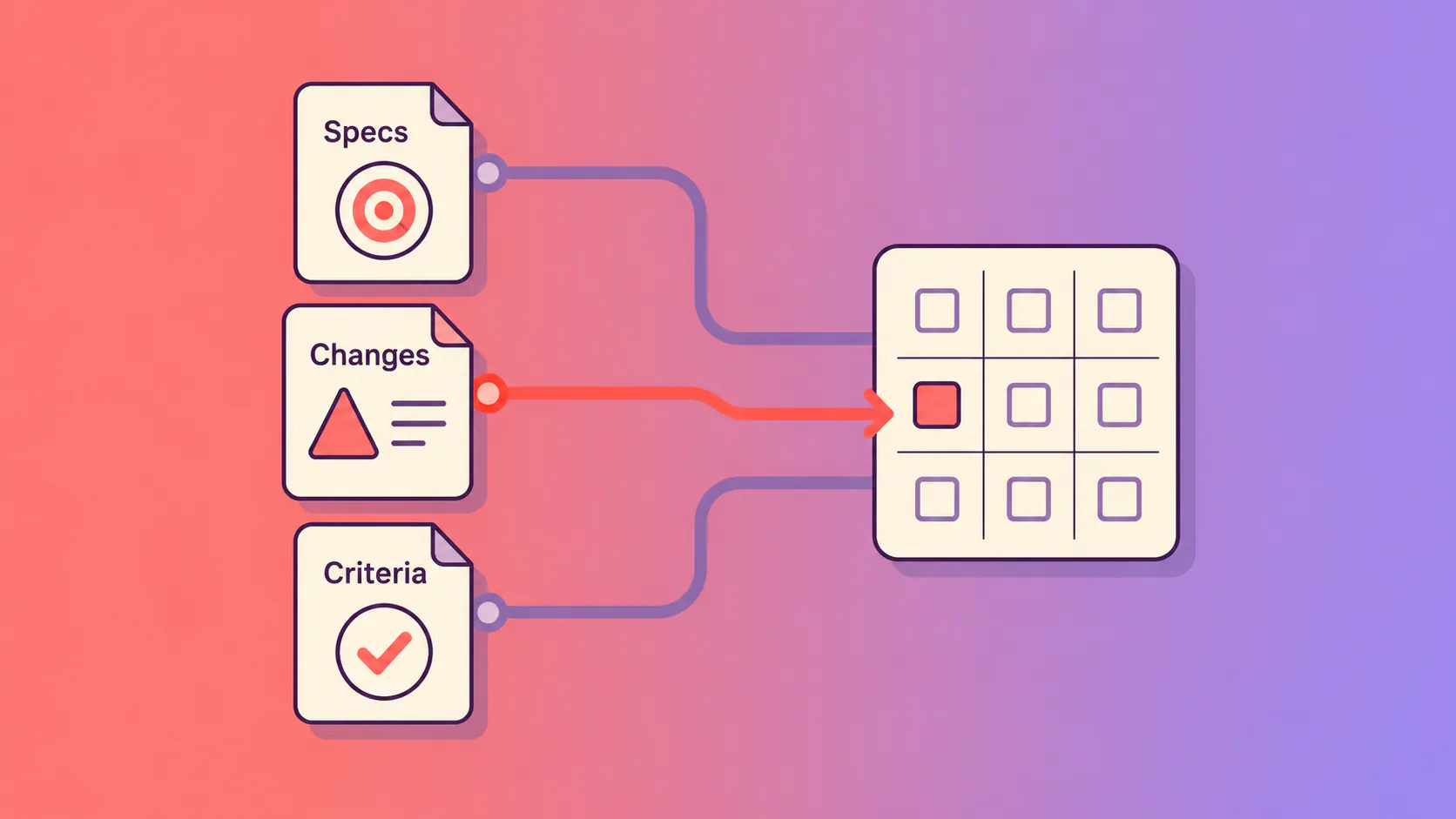
What it does well: spec deltas. Every code change produces a matching change in requirements, so a pull request (PR) reviewer sees how the requirements changed, not just the code.
Where it falls short: it is developer-only, with no product manager (PM) interface or quality assurance (QA) workflow. Its multi-repo answer, "Stores", is still in beta. It is brownfield-first (built for existing codebases), so it says less about structuring a new project.
Best for: experienced teams who want minimal process overhead.
When not to use it: a one-file fix, or a regulator that expects a signed-off requirements document before any code.
GitHub Spec-Kit, the enterprise option
By GitHub | 140K stars | MIT | Python (uv) | v1.1.0
Spec-Kit is GitHub's toolkit for spec-driven development. It needs Python 3.11 or newer and uv (a Python package manager). Install with uv tool install specify-cli, then run specify init my-project --integration copilot, swapping copilot for your agent's key. It supports 42 agents (list).
The commands are agent skills written with a hyphen: /speckit-constitution, /speckit-specify, /speckit-plan, /speckit-tasks, /speckit-implement, and /speckit-converge. Repeat implement and converge until the agent reports convergence. /speckit-clarify, /speckit-analyze, and /speckit-checklist are optional quality gates.
What it does well: the constitution, a document that captures your project's governing principles. Every later AI interaction must respect it. The /speckit-clarify gate forces ambiguity to be resolved before planning.
Where it falls short: it is heavy. The Python plus uv dependency is a barrier for non-developers, and the phase order is restrictive for small changes.
Best for: regulated environments and teams that need guardrails.
When not to use it: a prototype you will throw away this week.
BMAD Method, the team simulator
By BMad Code | 53.8K stars | MIT | v6.12.1
BMAD (Build More Architect Dreams) simulates part of an agile team with named AI persona agents. The current install has five: Analyst Mary, PM John, Architect Winston, Developer Amelia, and user experience (UX) Designer Sally.
Install it with npx skills add bmad-code-org/BMAD-METHOD (uv is also required), then ask the bmad skill to run bmad setup.
The bmad-spec skill sizes each change: work that fits one session goes straight to bmad-build, and epic-sized work goes to bmad-ticket first.
What it does well: agile workflows, including sprint planning, retrospectives, and code review. Project context carries decisions forward so you stop re-explaining them in every chat.
Where it falls short: it is CLI-first (built for the command-line interface), so non-technical users can't take part. It also changes fast. Version 6.11 renamed bmad-quick-dev to bmad-build and cut the core skills from fourteen to eight (release notes), so pin a version on a team.
Best for: teams that want role-based agents mirroring their real structure.
When not to use it: a two-person team with no use for agile roles, or one that cannot absorb skill renames between minor versions.
Superpowers, the agent-discipline option
By Jesse Vincent (obra) | 295K stars | MIT | Cross-platform | v6.4.2
Superpowers, the most starred framework here, is a complete development methodology delivered as composable "skills" that trigger automatically. Start talking about a feature and this sequence runs:
- The brainstorming skill asks questions, explores alternatives, and presents a design for you to validate.
- Approve it and the git worktree skill creates an isolated branch.
- Planning breaks the work into tasks with exact file paths and verification steps.
- Say "go" and execution starts, with TDD (test-driven development, where tests are written before code), code review, and verification before completion.
You pick one of two execution modes. Subagent-driven development gives each task a fresh subagent plus a review, which is the most thorough. Each subagent receives only the context it needs, which prevents context pollution in long sessions. Executing plans runs every task inline with one review at the end, which is the cheapest.
What it does well: portability. The README has install steps for 16 coding tools, including Claude Code, Codex, Cursor, Gemini CLI, Copilot CLI, and OpenCode. In Claude Code the install is /plugin install superpowers@claude-plugins-official.
Where it falls short: it is developer-focused, with no PM or QA workflow. It is also opinionated (it enforces TDD, YAGNI, and DRY), and some teams will resist that.
YAGNI and DRY — "You Aren't Gonna Need It" (don't build features before you need them) and "Don't Repeat Yourself" (keep each piece of logic in one place).
Best for: developers who want maximum methodology without learning a new system.
When not to use it: exploratory spikes, where writing a failing test first slows a throwaway script.
What testers can take from these frameworks
None of these frameworks will have a QA engineer opening a terminal to run /opsx:propose, but testers can still use what these frameworks produce.
BMAD is the most tester-friendly. Its Developer agent can generate end-to-end tests, and its PRDs (product requirements documents) and user stories carry acceptance criteria testers can use as a test basis.
Spec-Kit's /speckit-clarify works as a QA tool. It surfaces ambiguity before development starts, like a good test analyst.
Superpowers enforces TDD. With unit tests already verified, QA can focus on integration, E2E (end-to-end), and exploratory testing.
OpenSpec's spec deltas help regression planning. Every PR shows which requirements changed, so you know what to re-test after a release.
The gap is delivery format. Testers work in Excel, TestRail, Zephyr, or documents they share with clients, and these frameworks output Markdown in Git. The content is right, but the format is not. Adopt these frameworks for the whole team, then hand testers the artifacts they produce.
AI-powered IDEs
The frameworks provide methodology. The IDEs (integrated development environments) provide the execution environment. You need both.
- Claude Code — CLI-first and CLAUDE.md native. Skills, hooks, and agent teams make it extensible.
- Cursor — the largest user base, with
.cursor/rules/for granular control. - Windsurf — the Cascade engine keeps persistent Memories across sessions, so it remembers your preferences without a seed file.
- GitHub Copilot — the universal option, with
.github/copilot-instructions.mdin VS Code and JetBrains. - Kiro — a spec-driven IDE from Amazon Web Services (AWS), with its own workflow. Spec-Kit supports it through
kiro-cli.
Support is rarely the deciding factor now: Spec-Kit lists 42 agents, OpenSpec 30+ tools, Superpowers a dozen-plus. Pick the IDE first, then check your framework has an integration for it.
MCP, the glue layer
MCP — Model Context Protocol, an open standard that lets AI tools connect to external data sources and services.
Anthropic donated it to the Linux Foundation's Agentic AI Foundation, with OpenAI, Google, Microsoft, and AWS as members. Anthropic cites 97 million monthly SDK (software development kit) downloads across Python and TypeScript (Anthropic).
The current spec is version 2026-07-28, and it changes how servers run. MCP is now stateless: the initialize handshake and the Mcp-Session-Id header are gone, and every request carries its own protocol version and client capabilities (key changes). Check which spec version each side expects before upgrading.
For teams, MCP is how your AI reads Jira tickets, pulls Confluence docs, and fetches Figma designs instead of you pasting them into chat.
Team orchestration with AgentKit
The frameworks above give one AI agent methodology. Orchestrating multiple specialized agents as a team is a different problem, and that is what AgentKit (formerly ClaudeKit) does.
AgentKit is an engineer kit for Claude Code, Codex and other AI coding tools, with 100+ skills, 30+ workflows and specialized subagents (the full bundle has 45) built for professional software development. Superpowers teaches one agent discipline. AgentKit gives you a team.
The agents aren't generic. The core roles are a Planner (research and implementation planning before any code), a Fullstack Developer (executes phases with strict file ownership), a Debugger (root cause analysis), a Tester (execution and coverage), a Code Reviewer (security, performance, quality), and a Code Simplifier. Docs, Project, Git, UI/UX, Brainstormer, and Researcher agents cover the rest.
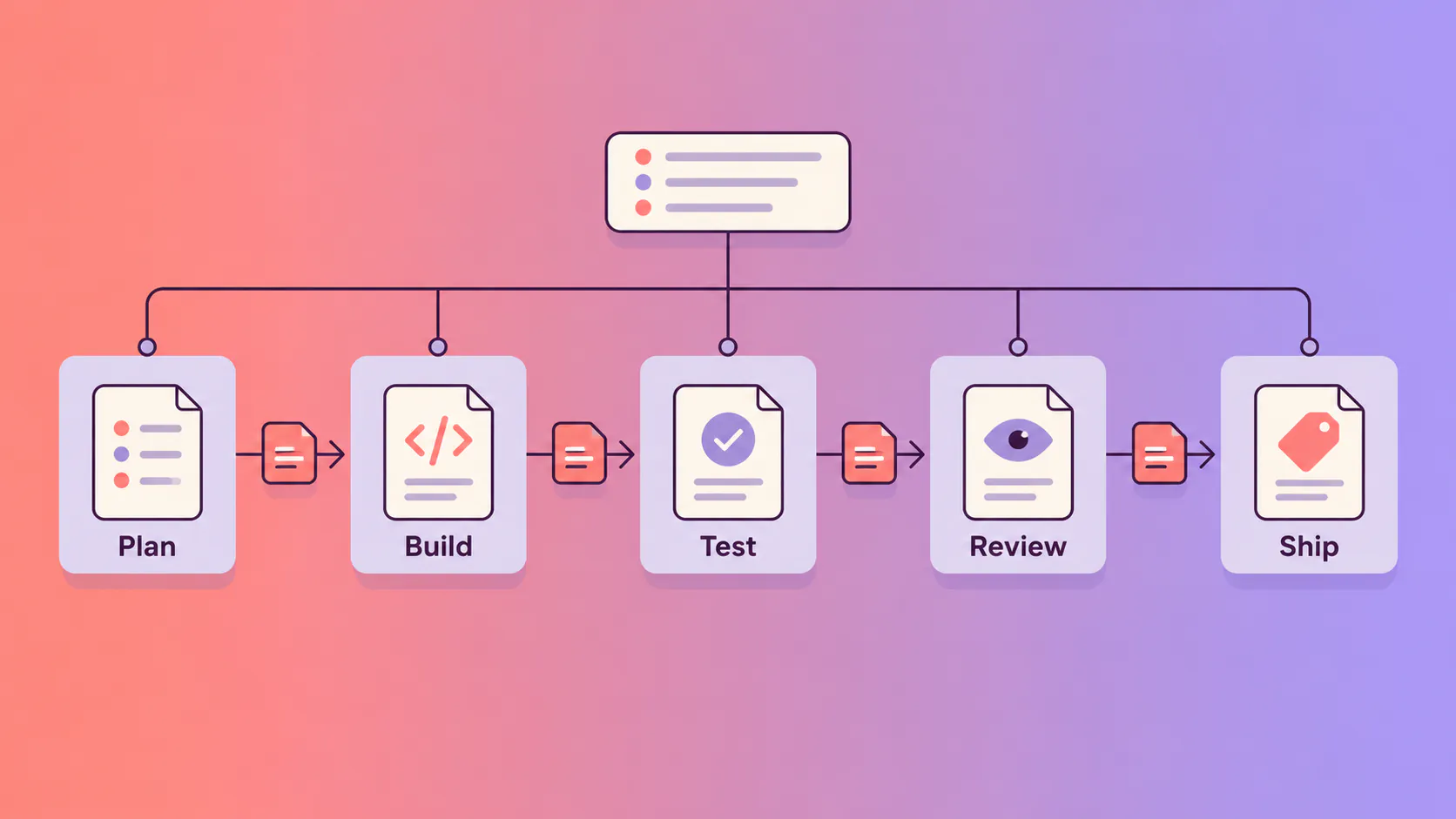
The orchestration is what makes it powerful. Agents don't work in isolation. They hand off to each other in a chain:
planner → fullstack-developer → tester → code-reviewer → git-managerEach agent receives the previous agent's output, does its task, and passes the result forward: structured handoffs with context isolation between steps.
The team skill (/ak:team) suits larger tasks. It spawns independent Claude Code sessions as teammates, each with its own context window, task ownership, and cross-session memory. You can run parallel workstreams (API, UI, migrations) coordinated through a shared task list.
Skills such as brainstorm, plan, debug, test, code-review, scout, and git are prompt templates that load task-specific instructions.
AgentKit is a paid product. It is a commercial toolkit, not a free open-source framework. If you want to try it, use this link for 20% off your first purchase. I use it daily, and the orchestration alone has been worth the cost, especially the Code Reviewer and Planner agents, which catch issues I'd otherwise miss.
Where it fits: it does not replace Superpowers or OpenSpec. Superpowers gives your agent methodology, AgentKit gives you specialization and orchestration, and you can use both.
Which framework fits your situation
- Solo dev, want instant impact — AGENTS.md + Superpowers → plug-and-play methodology that works in any IDE
- Small team, lightweight process — OpenSpec + your IDE of choice → spec deltas in PRs, minimal learning curve
- Enterprise or regulated client — Spec-Kit + established IDE → phase gates, constitution, compliance-friendly
- Team wanting agile simulation — BMAD Method → named persona agents, sprint workflows
- Claude Code power user — AgentKit → specialized subagents, team orchestration, 100+ skills
- IDE-agnostic, need one standard — AGENTS.md everywhere → works across Cursor, Copilot, Zed, OpenCode
Example: adding refunds to an existing checkout
A team of four adds partial refunds to a three-year-old checkout service. OpenSpec fits first, because /opsx:propose add-partial-refunds gives the PM a readable proposal and spec deltas in the PR. Superpowers then runs the payment tasks tests-first.
If an auditor needs a written constitution before any code, planning moves to Spec-Kit. Use OpenSpec when the team approves the plan in the pull request, and Spec-Kit when someone outside the team must approve it in writing.
Can you combine them?
Yes, but pick one planning framework and one IDE, then layer additional tools as needed. Three combinations work well:
- Superpowers + AgentKit — Superpowers for methodology, AgentKit for agent specialization and orchestration
- OpenSpec + Superpowers — OpenSpec for spec management, Superpowers for execution discipline
- Spec-Kit + AgentKit — Spec-Kit for governance and planning, AgentKit for multi-agent implementation
Avoid running OpenSpec, Spec-Kit, and BMAD together, since three planning systems then compete for your AI's attention.
Choosing the right tools only matters if the code they produce is safe to ship. Once your AI writes code, someone still has to check it for security holes and for dependencies nobody audited. The next post covers the full lifecycle (brainstorm, plan, code, validate) and where that check belongs.
Next up: Part 5 — AI-generated code ships hidden vulnerabilities — why "brainstorm first, code second" isn't optional, and how to catch vulnerabilities before they ship.
This is Part 4 of the "Context Engineering in 2026" series. Part 1 | Part 2 | Part 3